
Joint © 2026 by Sahib Singh is licensed under CC BY-NC-SA 4.0


INTRODUCTION
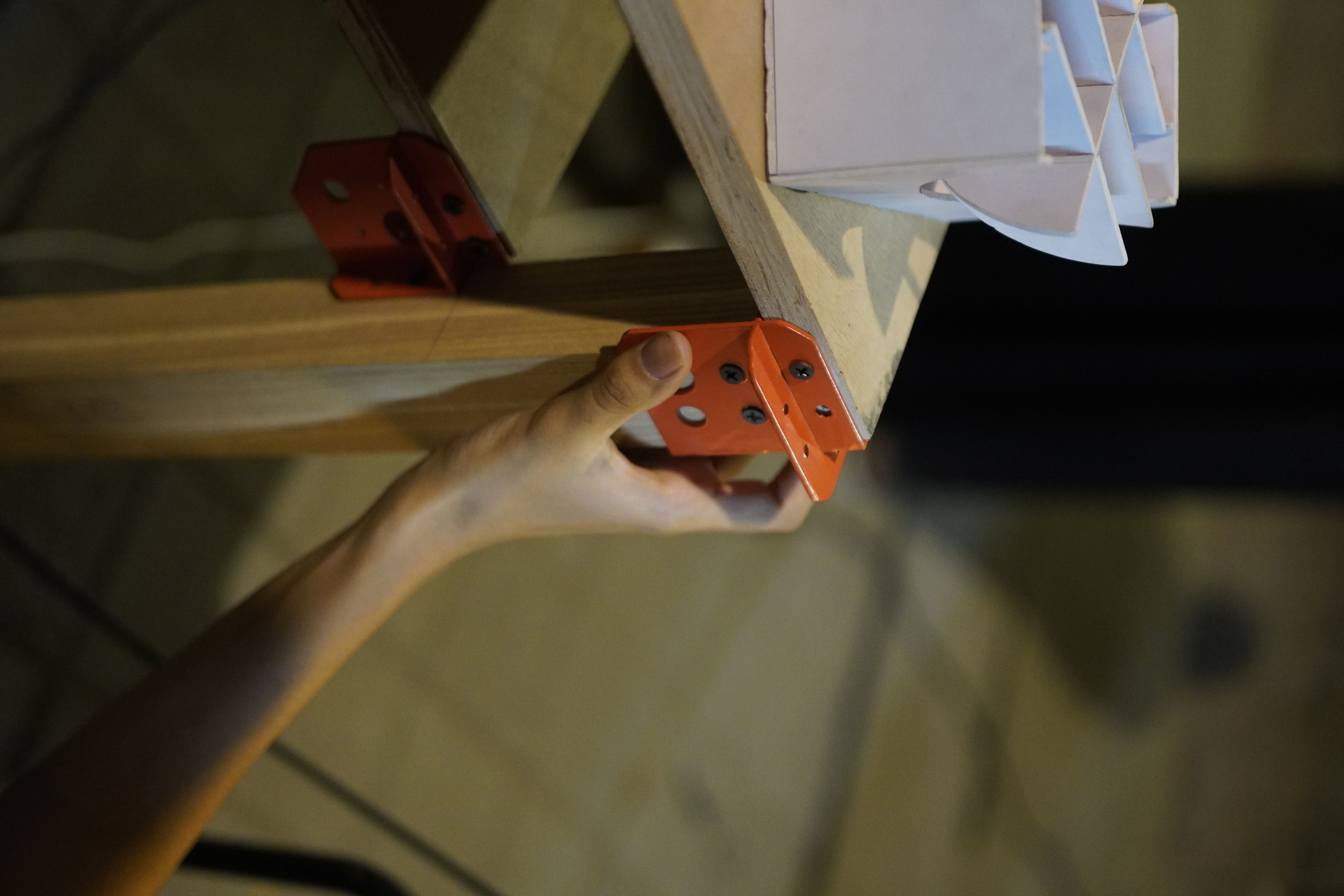
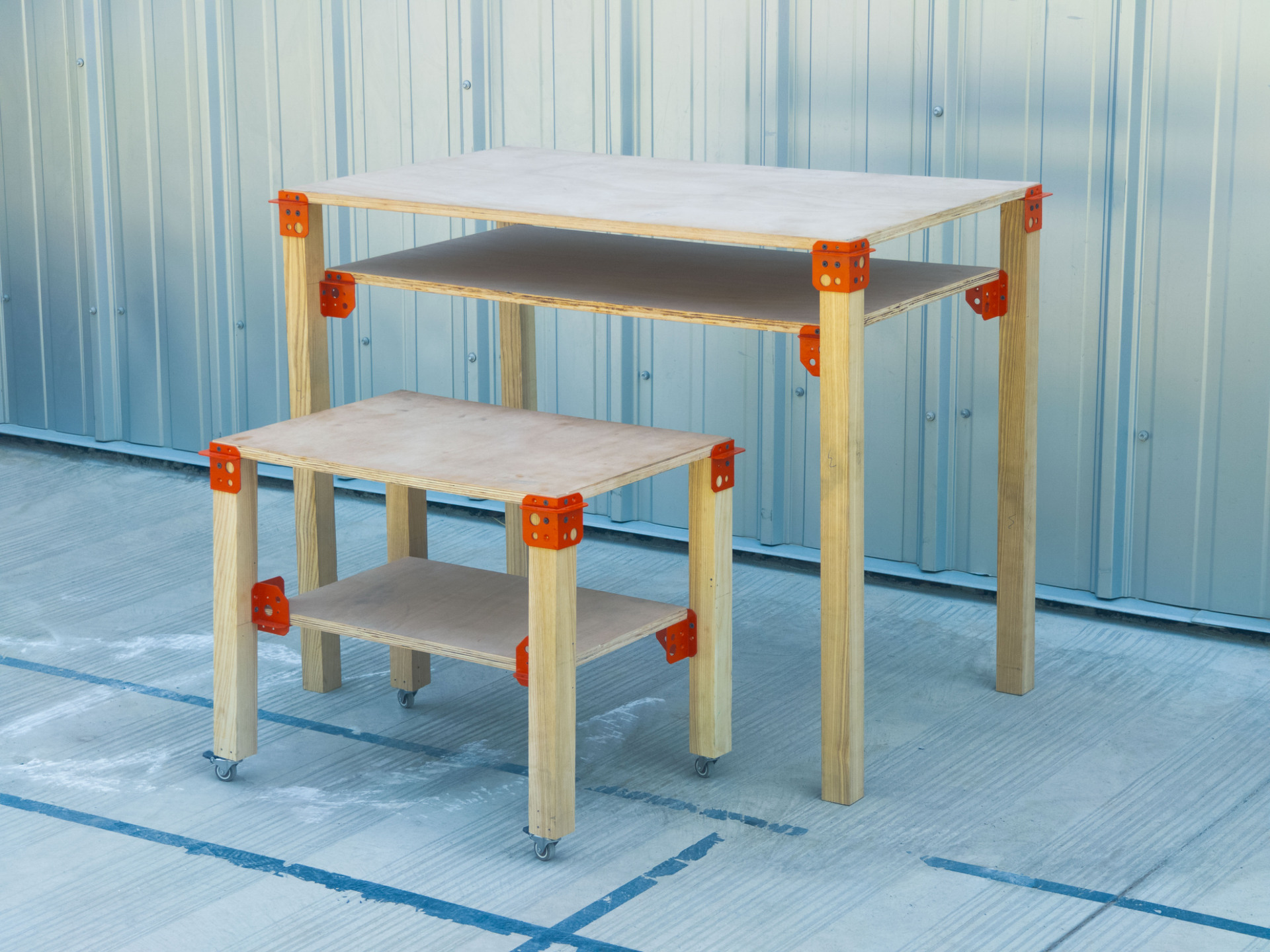
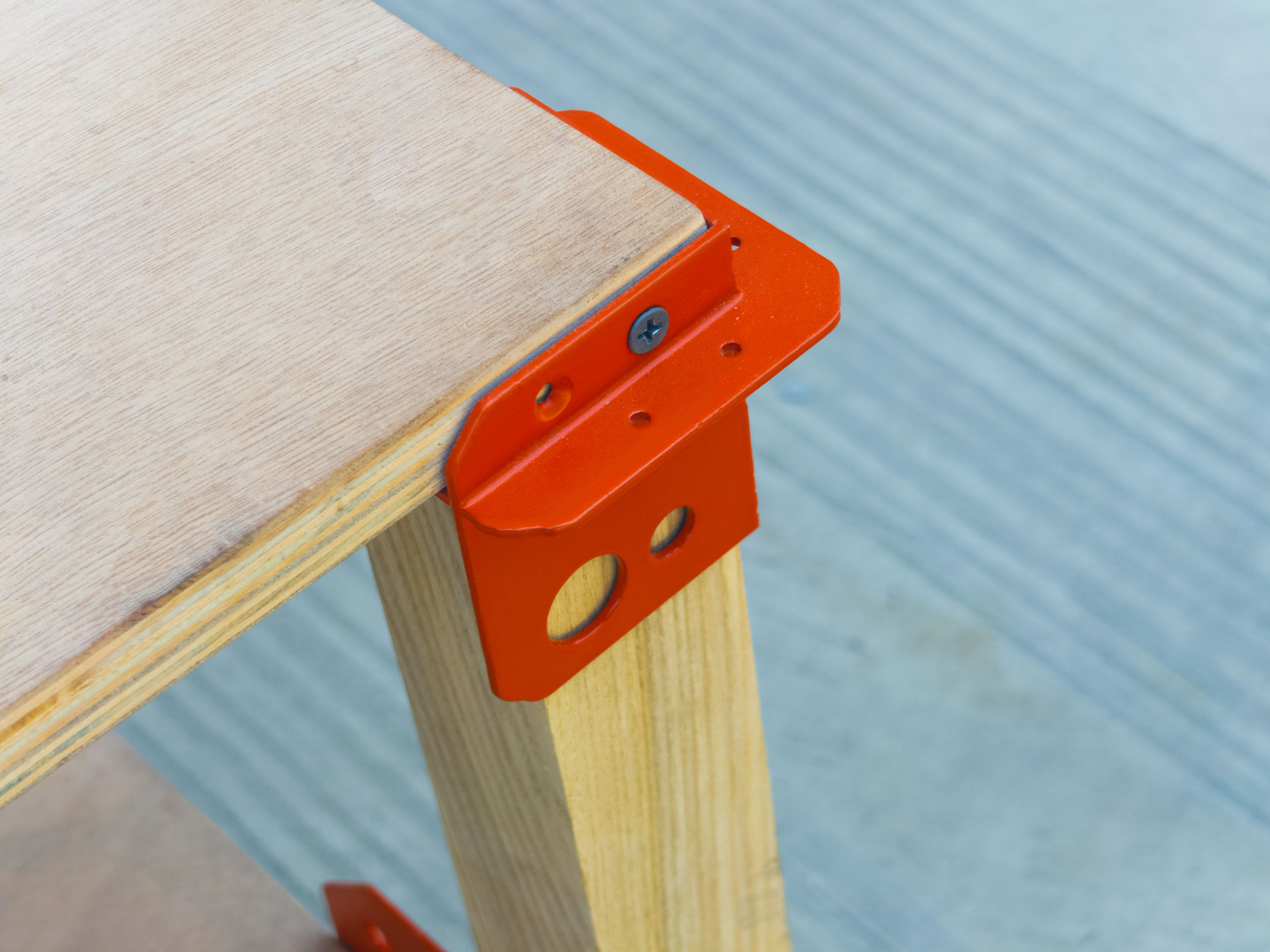
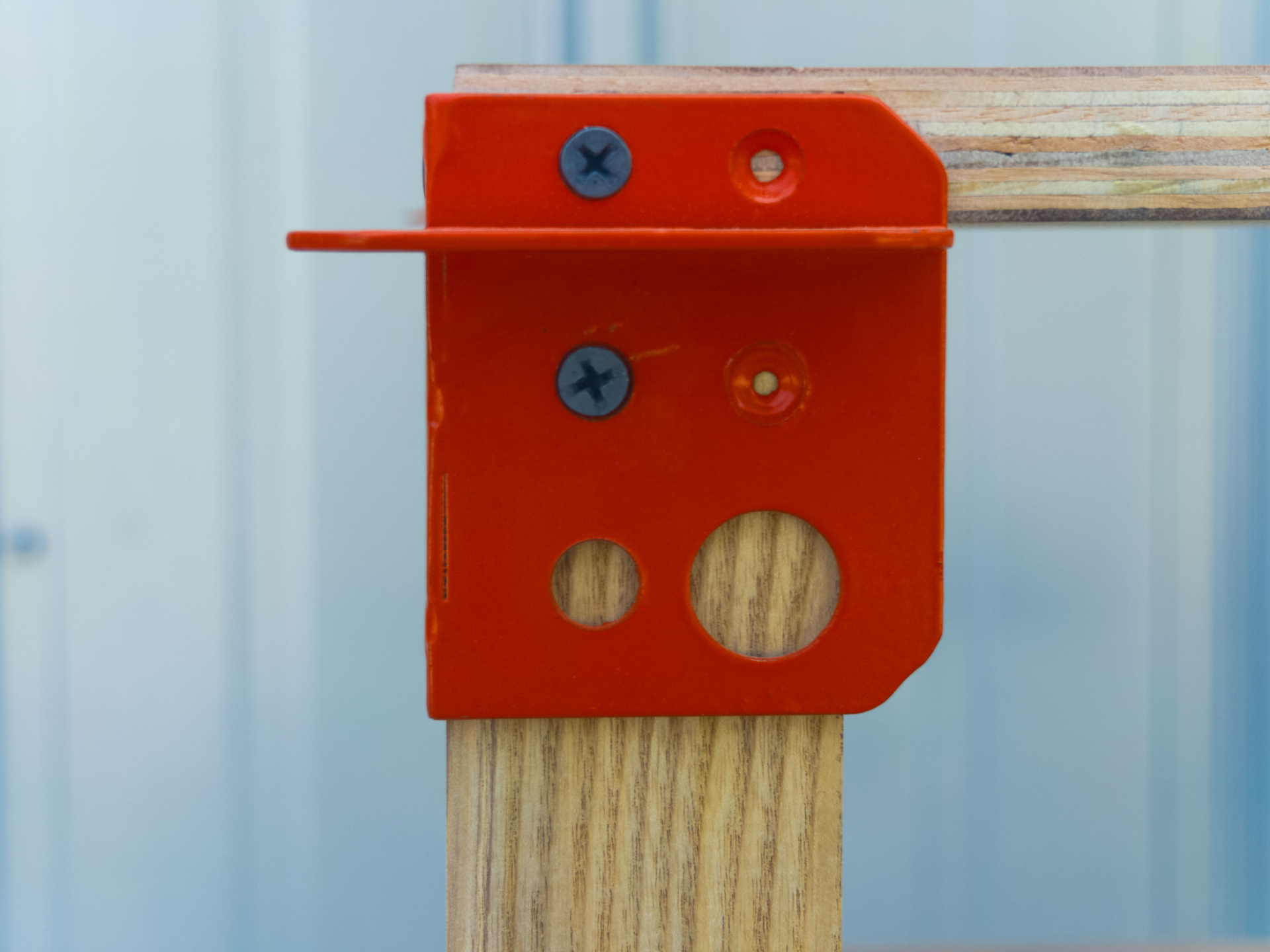
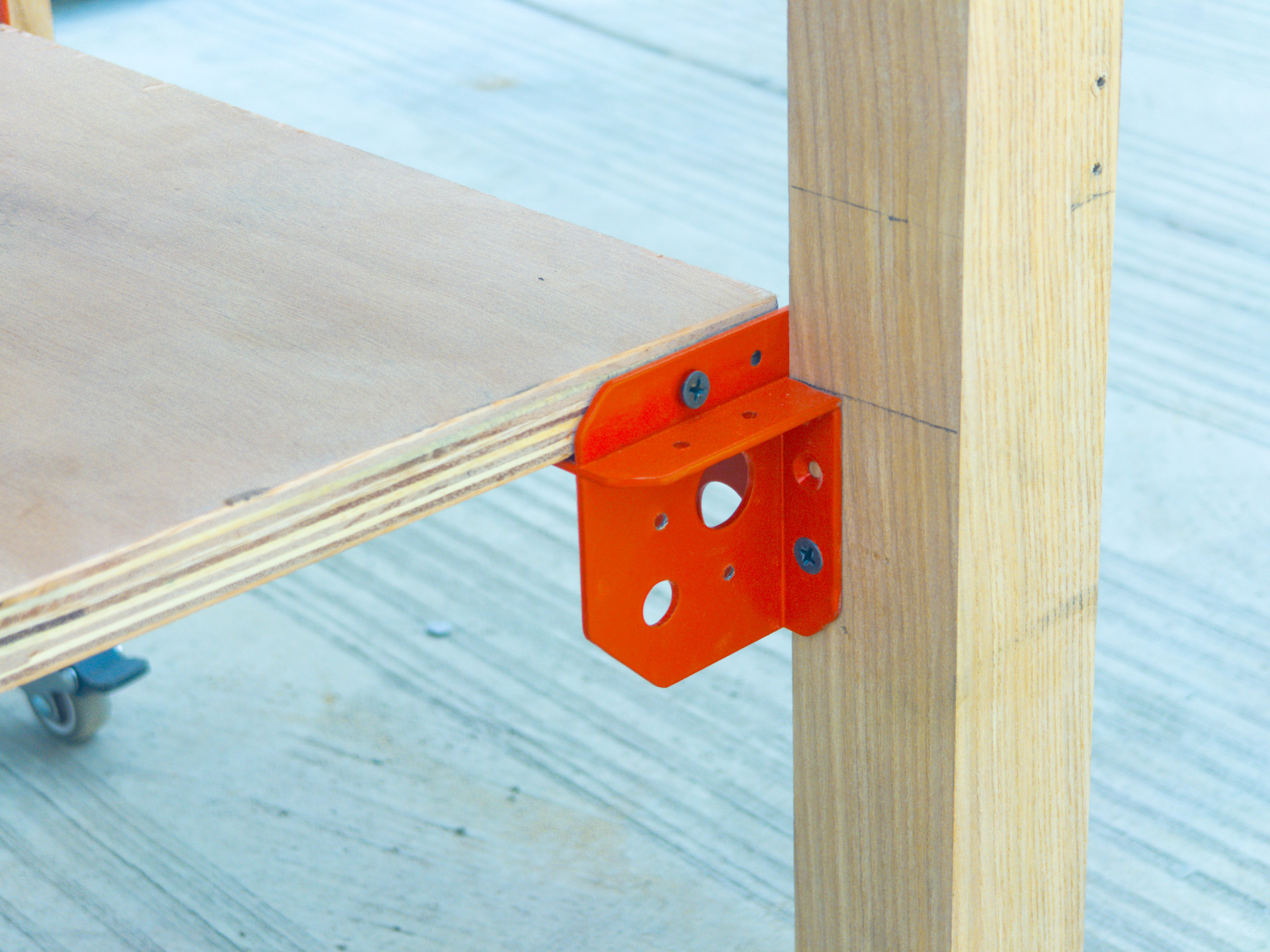
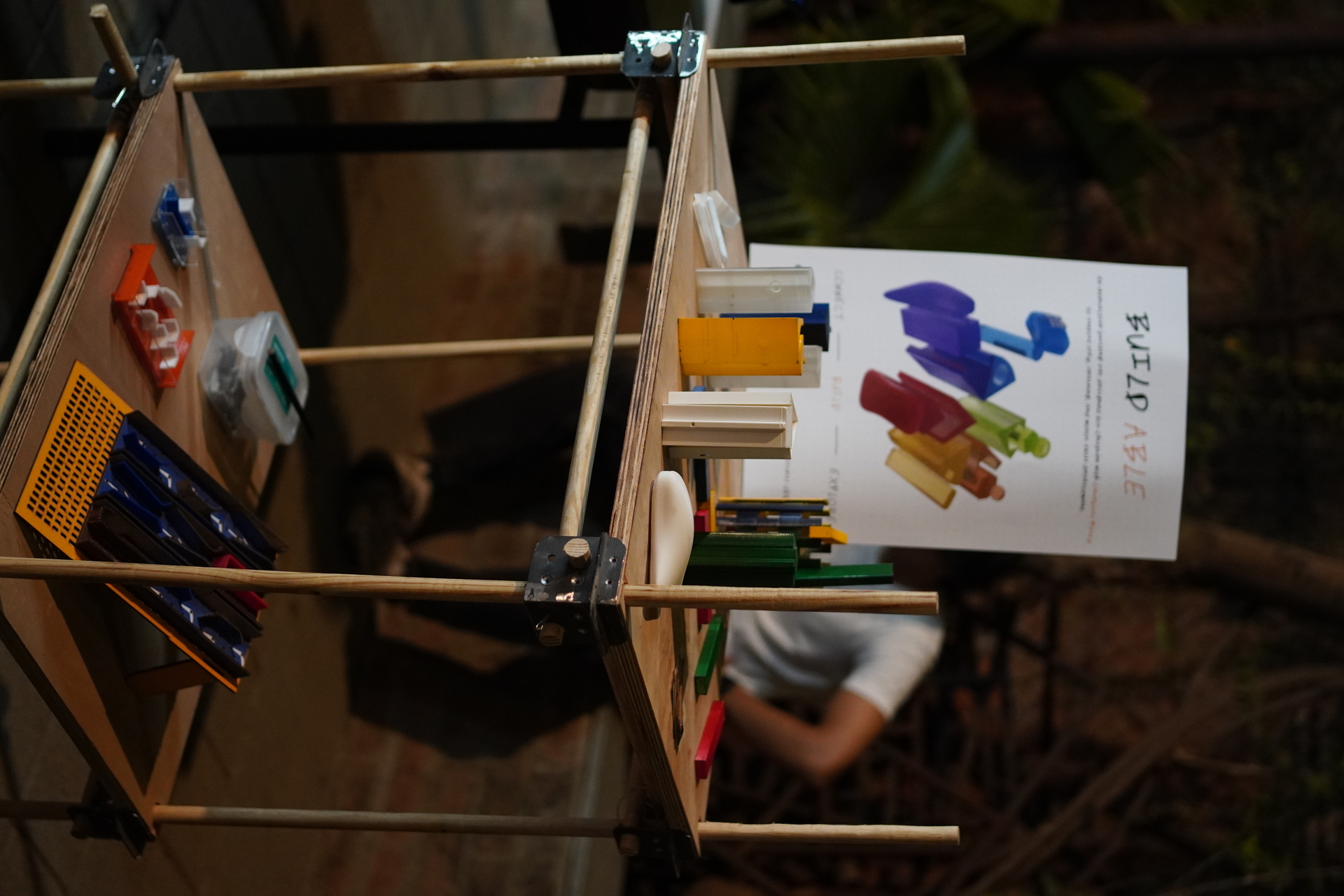
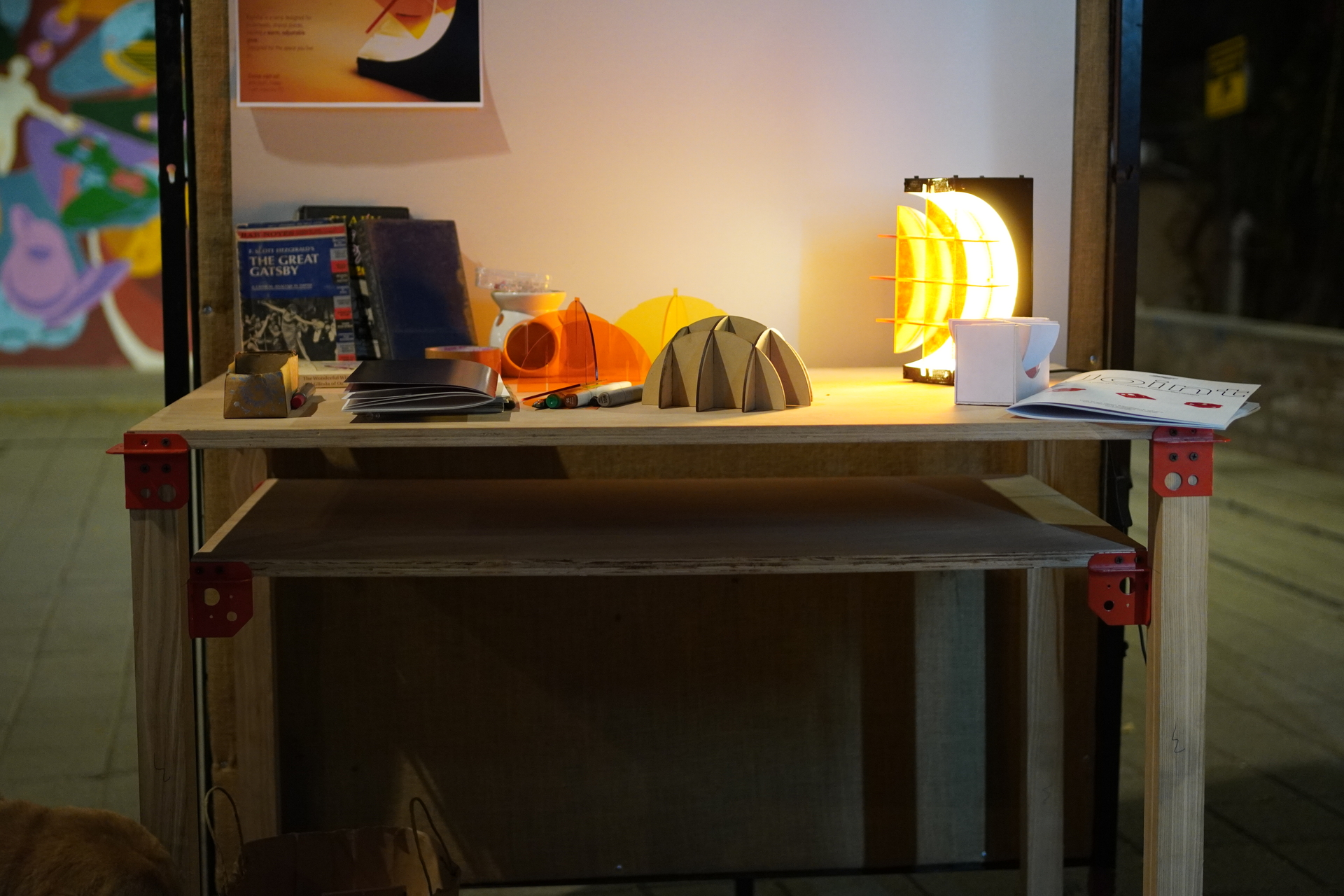
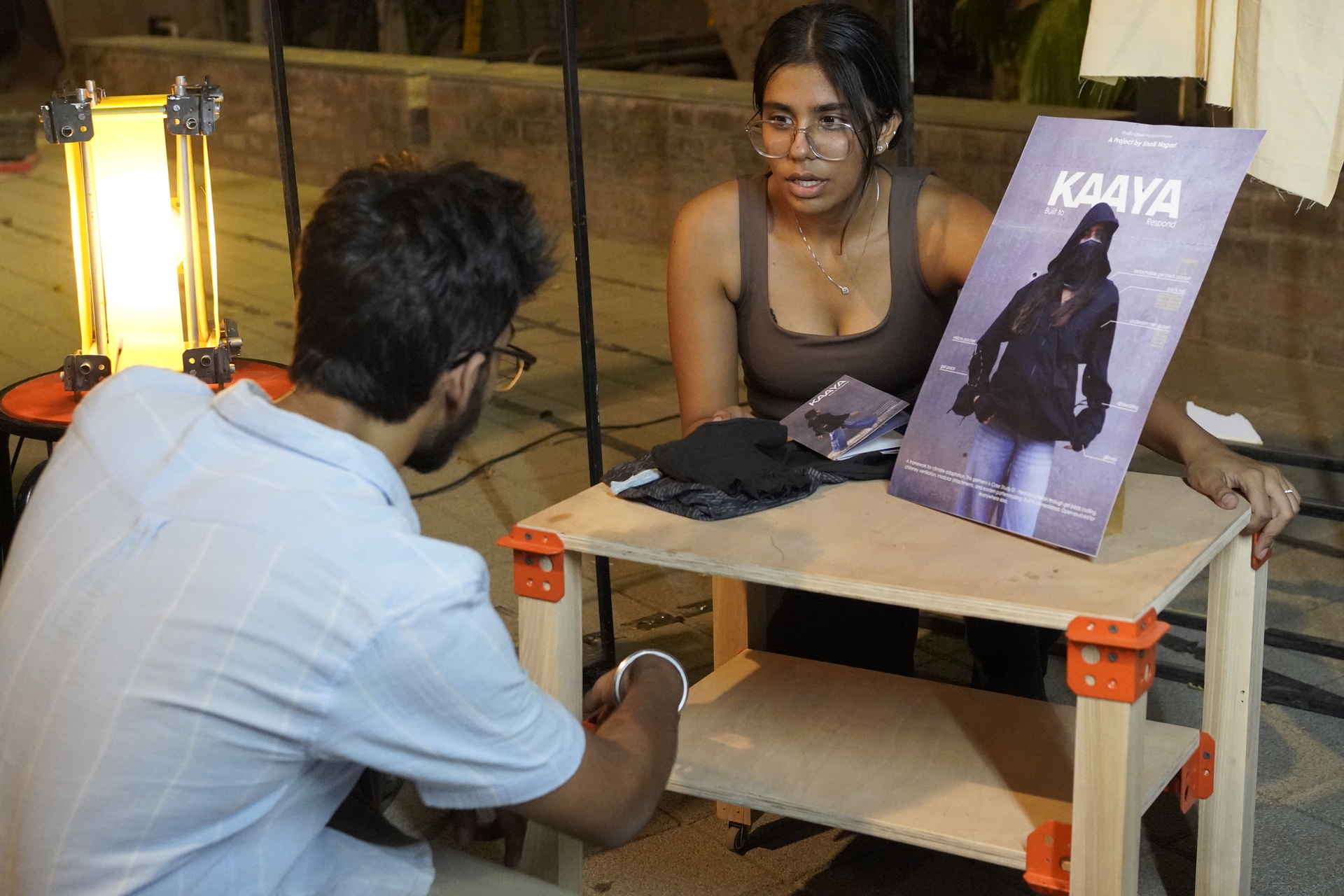
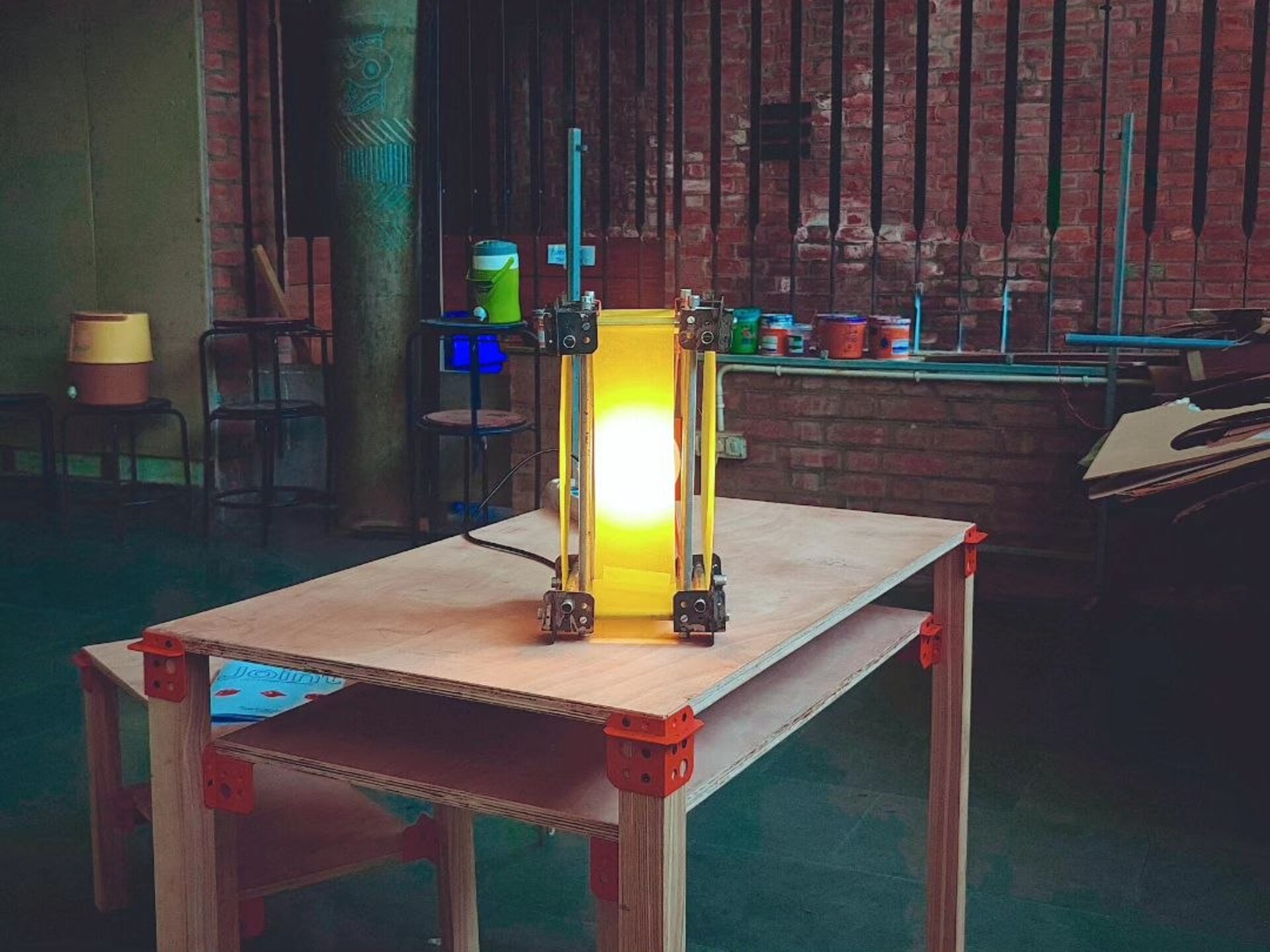
Joint is a three-axis connector designed to democratize structural assembly. Engineered to receive both linear and planar members, it exists as an incomplete entity, a mediator that is only realized when it comes into contact with standard materials like timber, plywood, or pipe. Moving away from restrictive, predefined flat-pack structures, this system establishes an open condition through which multiple outcomes can emerge. From rigid shelving frameworks and robust plywood tables to raw, brutalist lighting fixtures, the junction does not dictate what is to be made. It simply facilitates the making, offering an adaptable, hackable ecosystem where a single standardized element can solve a vast array of spatial and functional needs.
DOWNLOADS
Download the files to fabricate, adapt, and build with the system. There are two scale which this junction can be used for, so download accordingly
1. Scale - Furniture
2. Scale - Lamp
CONCLUSION
The objects presented in this study are not final products intended for mass replication. They are simply demonstrations of the system's capabilities across different scales and materials. The junction holds no inherent value in isolation; its capacity expands with use, becoming only as functional, useful, and meaningful as the person engaging with it.
- Prototype Images Click here
- Assembly Instructions Click here
- Process document Click here